

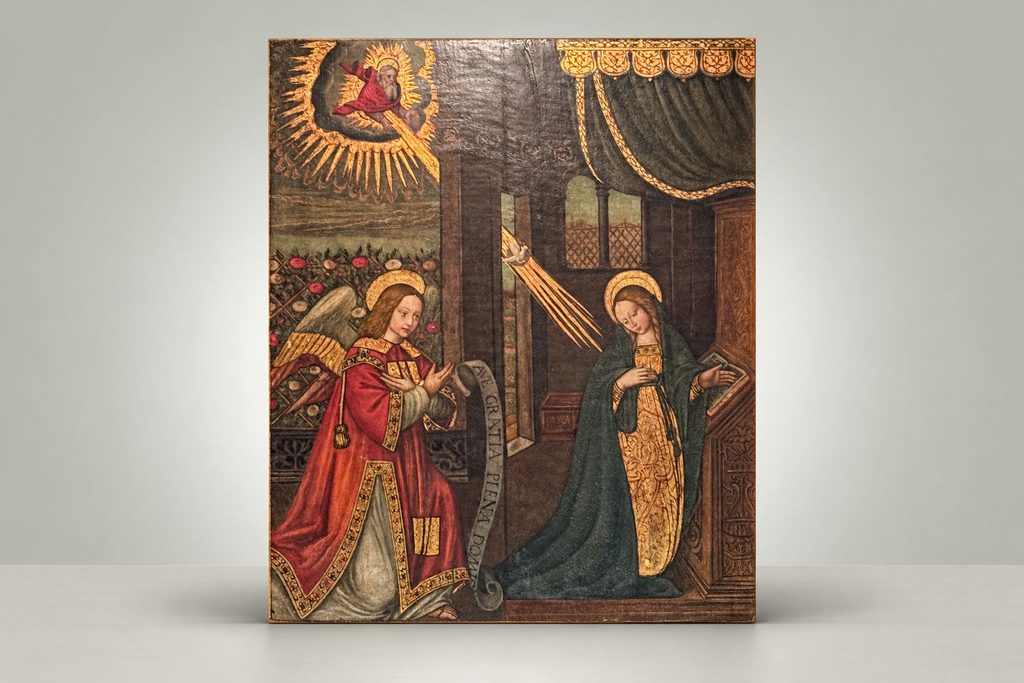
A painting, a sculpture or an antique may carry a value that goes beyond its owner’s financial interest. Materials, techniques, provenance and collecting history make it a testimony to history and culture. The protection of cultural heritage rests precisely on this collective dimension.
For anyone who buys, sells or keeps works of art, knowing the rules means understanding which checks to carry out, which documents to gather and which responsibilities come with holding an object.
Why cultural heritage enjoys specific protection
Article 9 of the Italian Constitution entrusts the Republic with protecting the landscape and the historical and artistic heritage of the Nation. Protecting a work therefore also concerns the public interest in its preservation and in knowledge of it.
A theft, a falsified provenance or the dispersal of a collection can compromise information that is hard to recover. In the case of archaeological finds, for example, losing the context of discovery can remove elements essential to historical reconstruction, even when the object itself remains physically intact.
The difference between works of art and cultural property
In everyday language, the terms “work of art”, “antique object” and “cultural property” are often used interchangeably. From a legal standpoint, however, the regime applicable to each object must be identified.
The main reference is Legislative Decree no. 42 of 22 January 2004, the Code of Cultural Heritage and Landscape. Articles 10–13 distinguish categories of property and the ways in which cultural interest is recognised, also taking into account public or private ownership. For many privately owned objects, the declaration of cultural interest is decisive; for other categories, protection applies on different grounds.
The absence of a measure commonly known as a “listing” (vincolo) does not, on its own, allow one to conclude that an object falls outside all sector regulations. Before any intervention, sale or transfer abroad, its specific position must be verified.
The 2022 criminal law reform
Law no. 22 of 9 March 2022, in force since 23 March 2022, introduced Title VIII-bis into the Italian Criminal Code, dedicated to offences against cultural heritage. The reform reorganised a significant part of the criminal rules and created specific offences for different forms of harm to heritage.
The offences covered include theft and misappropriation of cultural property, receiving stolen goods, money laundering and self-laundering, forgery of private documents relating to cultural property and breaches of the rules on its sale. Unlawful import and export, destruction and damage, devastation and looting, as well as the counterfeiting of works of art, are also addressed.
This is a significant step: the system expressly recognises the specific nature of the cultural interest harmed. For market operators, it makes examining the work together with the documentation accompanying its circulation even more important.
Authenticity and provenance: what must accompany a sale
Article 64 of the Code of Cultural Heritage governs the documentation that must be handed to the buyer by those who carry out the sale and brokerage activities listed in the provision, or who habitually sell the works and objects it refers to.
The obligation concerns documentation of authenticity, or at least of probable attribution, and of provenance. Where this is lacking, a declaration containing all available information must be issued, in the manner set out in the provision.
Authenticity, attribution and provenance answer different questions
Authenticity concerns whether the work matches its declared identity. Attribution proposes its author, workshop or production context, with a degree of certainty that must be clear from the text. Provenance reconstructs the transfers and settings in which the object is documented.
A signature alone does not settle the question of authenticity. Likewise, a correct attribution does not automatically prove that all previous transfers were lawful. Art-historical and documentary checks must therefore be carried out together.
The international circulation of works
Selling a work and being able to take it abroad call for separate assessments. For international circulation, the category of the object, its date of execution, the artist, its value and any protection measures in place all matter.
Law no. 124 of 2017 changed this area. Within the export procedures, for certain objects made more than seventy years ago and worth less than 13,500 euros, a declaration of value, commonly known as DVAL, is provided for. The threshold does not apply indiscriminately to every object: some categories are excluded and specific regimes exist.
Ministerial procedures also provide for certificates of free circulation, certificates of temporary circulation and export licences where relevant. Before arranging a shipment, the required permit and the related formalities with the competent office must be identified.
The economic valuation also affects the procedure
When value helps determine the administrative route, the figure stated must be consistent with the characteristics of the work and with market references. Identification of the object, state of preservation, attribution, dimensions, technique and the comparability of the results used all become relevant.
A reasoned valuation makes the criteria adopted understandable and makes it possible to distinguish verified data from aspects that still need further investigation.
Counterfeiting and the responsibility of operators
Counterfeiting may involve the object, the documents and the information through which it is presented on the market. Article 518-quaterdecies of the Italian Criminal Code also covers, under the conditions laid down in the provision, the conduct of those who authenticate or help to pass off as authentic items they know to be false.
An appraisal, a publication or a label can influence how a work is perceived. For this reason, technical conclusions must be proportionate to the evidence available and make doubts, limits of the examination and the need for further investigation clearly recognisable.
The object file: a practical tool for protection
In practice, gathering information into a file preserves the memory of the object and makes it usable in later checks. The file may include:
• an identification sheet with materials, technique, measurements and distinguishing marks;
• overall photographs, details, inscriptions, marks and labels;
• invoices, receipts, inventories and documents relating to changes of ownership;
• bibliographic references, exhibition catalogues and documented previous sales;
• reports on the state of preservation and on restoration work;
• appraisals, certificates and documents relating to international circulation.
Any gaps must remain recognisable. A change of ownership reported only orally, for example, should be kept distinct from a provenance supported by documents.
The file provides a working basis for purchases, inheritances, loans, insurance and valuations. Protection thus also takes shape in everyday activities: correctly identifying an object, preserving the evidence about it and passing on verifiable information to whoever will look after it in the future.
Legal and institutional references
• Italian Constitution, Article 9 – Senate of the Republic.
• Code of Cultural Heritage and Landscape – Normattiva.
• Law no. 22 of 9 March 2022 – Official Gazette.
• Article 64, documentation of authenticity and provenance – CNR.
• Export office for archival and bibliographic property – Piedmont and Aosta Valley.
• DVAL declaration of value – Archival and Bibliographic Superintendence of Lombardy.
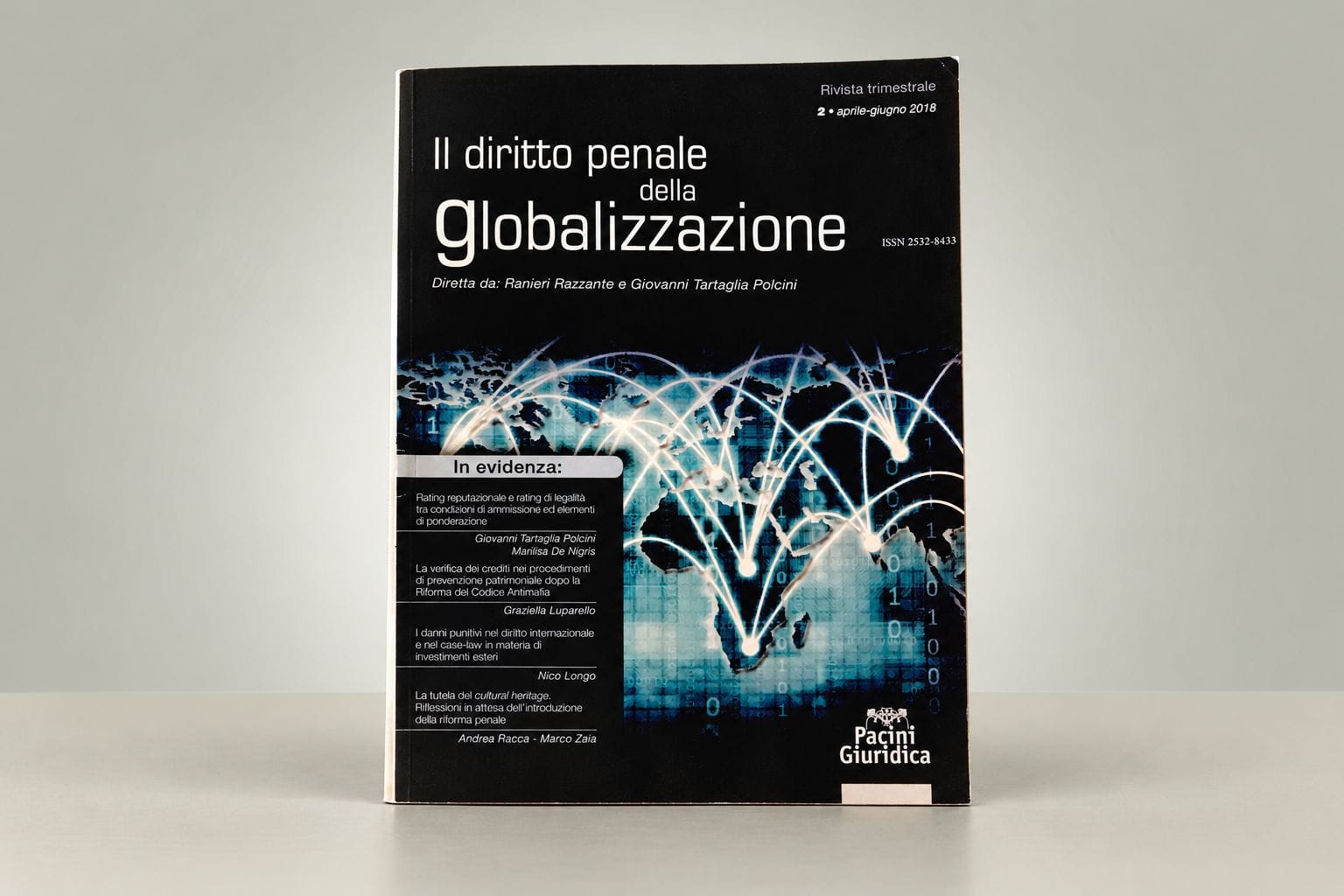
Note: blog adaptation of the original contribution by Andrea Racca and Marco Zaia, with updated references to the 2022 criminal law reform.

